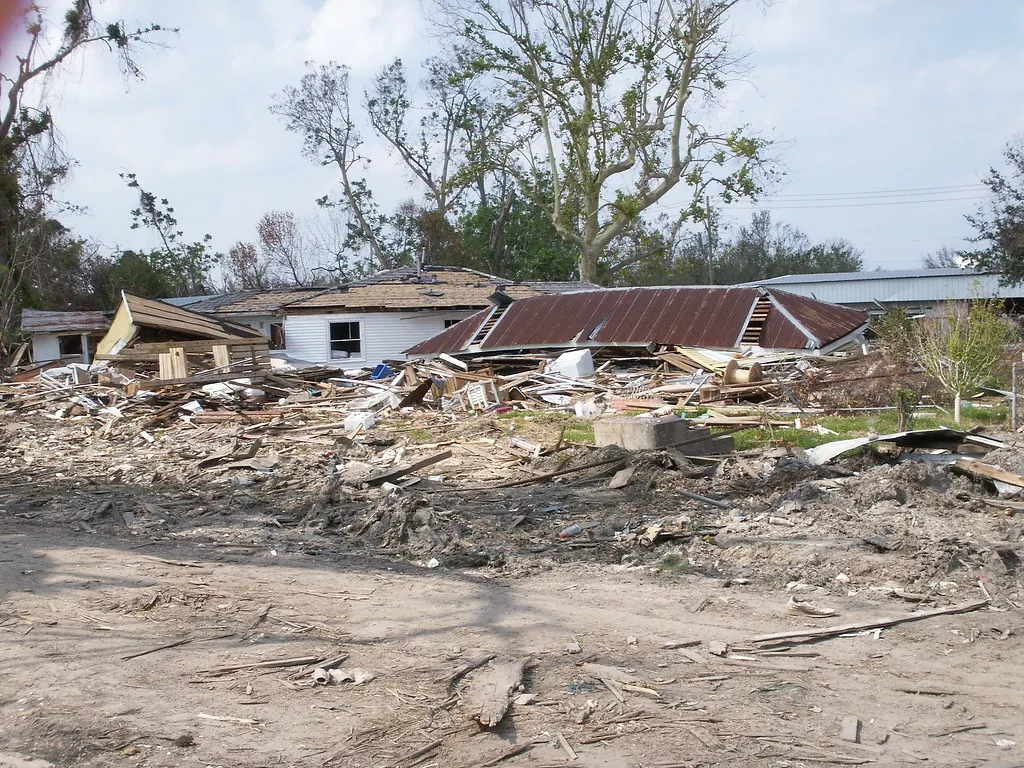
Monsoon storms move fast. A microburst can last only minutes, and by the next morning neighbors are hauling branches to the curb and roofers are knocking on doors. The evidence that will matter in an appraisal disappears just as quickly. Here is how to preserve it.
Before anything is moved
- Take wide photos of each side of the house, then close-ups of every damaged area.
- Photograph fallen trees and limbs where they landed, including the root ball or break point.
- Photograph block walls, ramadas, shade sails, pool equipment, solar panels and coolers.
- Take a short video walking the property. Narrate what you see and the date.
Pin down the date and the storm
Write down when the storm hit and what you saw and heard. Save weather alerts from your phone. Neighbors’ photos and local news coverage can help confirm the event. If the carrier later questions whether damage came from this storm or an earlier one, those records matter.
Roofs: what to look for safely
Do not climb a tile roof. Tiles break underfoot and you can be badly hurt. From the ground, photograph displaced tiles, debris in gutters and pieces of tile on the ground. Inside, check ceilings for stains and the attic for daylight or wet insulation. Let a roofer document the roof itself, and ask for photos of the underlayment.
Mitigate and keep every receipt
Tarp openings, dry wet areas and remove spoiled items, but photograph first. Keep receipts for tarps, fans, dumpster rental and emergency services. Reasonable mitigation is usually reimbursable and protects you from arguments that you allowed damage to grow.
Then build your estimate
Get an itemized estimate, not a one-line bid. Compare it with the carrier’s, line by line. If the gap is meaningful, run the numbers in our appraisal payoff estimator and check your file with the claim file readiness check.