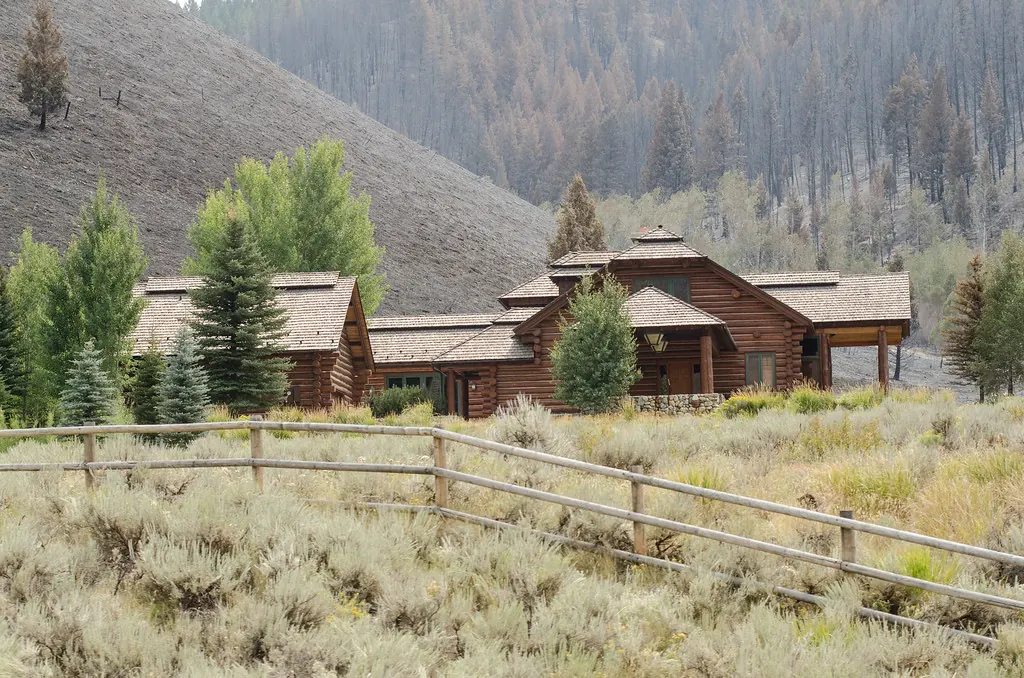
When the Tunnel Fire, the Museum Fire or the Rodeo-Chediski Fire burned toward neighborhoods, many homes survived the flames but not the smoke. Fine ash drifted through vents, attic openings and gaps around doors and windows. Months later, owners were still smelling it on hot afternoons.
Why smoke claims are undervalued
Carriers often start with a standard cleaning scope: wipe surfaces, clean carpets, change the furnace filter. That can be enough for light exposure. It often is not enough when ash has entered the HVAC system and attic, or when porous materials keep releasing odor.
What to document
- Ash on window sills, inside cabinets, on attic insulation and inside supply registers.
- Odor in specific rooms, closets and fabrics, noted by date and temperature.
- HVAC filters, returns and duct interiors, photographed by a technician.
- Electronics, appliances and anything with fans that drew in smoky air.
- Exterior surfaces: stucco, paint, decks and solar panels coated with ash.
Testing can help
When the scope is disputed, testing by an industrial hygienist or a qualified restoration professional can show how far particulates traveled. Test results turn “it still smells” into evidence.
Contents
Soft goods such as clothing, bedding and upholstered furniture may clean successfully or may not. Keep a list of what was cleaned, what still smells afterward and what had to be discarded. Photos before disposal are essential.
Living expenses
If smoke made the home unlivable, additional living expense coverage may apply. Keep hotel, meal and mileage receipts.
For the full range of wildfire claims, see wildfire, smoke and ash appraisal.