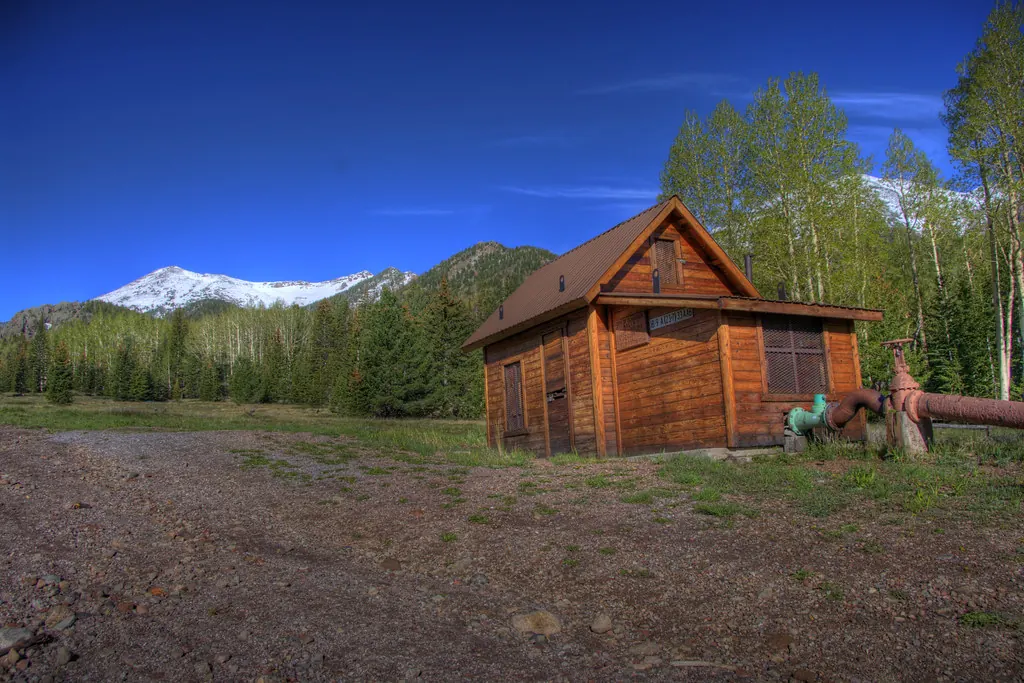
The other Arizona
Out-of-state visitors are often surprised that the San Francisco Peaks above Flagstaff hold snow for months, and that towns along the Mogollon Rim and in the White Mountains plan for real winters. Heavy wet storms can stack snow on roofs, and freeze-thaw cycles create ice dams along eaves.
Typical winter losses
- Snow load damage: sagging rafters, cracked trusses, collapsed carports, porch roofs and metal outbuildings.
- Ice dams: meltwater backing up under shingles and into walls and ceilings.
- Burst pipes: especially in cabins, vacation rentals and second homes that sit unheated or lose power.
- Falling limbs and trees overloaded with snow.
The vacancy and heat questions
Many policies require you to maintain heat or drain the plumbing in an unoccupied home, and some limit coverage after a period of vacancy. If your carrier raises those conditions, gather thermostat records, utility bills and any property-manager visit logs. Those facts can matter as much as the repair estimate.
Valuing structural winter damage
Snow load claims often need an engineer’s input on framing. We coordinate with engineers when needed and make sure the estimate includes shoring, temporary protection and the full structural repair, not just the visible finishes.
Questions about snow load & freeze damage appraisal
Is ice dam damage covered?
Water damage from ice dams is often covered, though some policies treat it differently from other roof leaks. The physical repair is what appraisal values.
My cabin pipes froze while I was in Phoenix. What now?
Shut off the water, document everything, start drying and report the claim. Then gather proof that heat was maintained or the system was drained, since the carrier may ask.
Do you travel to rural northern Arizona?
Yes. We handle claims in Flagstaff, Williams, Sedona, Prescott, Payson, Show Low, Pinetop-Lakeside and the surrounding areas.